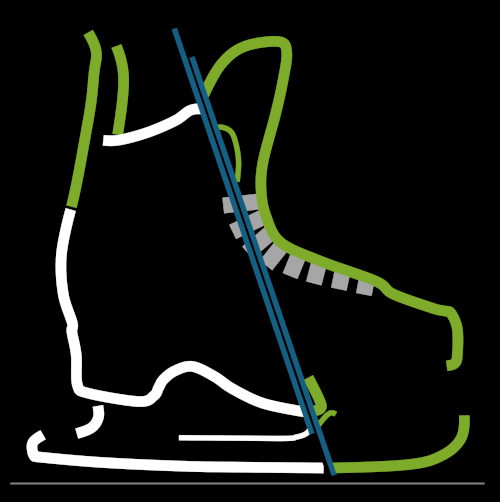
New ice skates often feel stiff at first — this is completely normal. Even professionally fitted boots require a short break-in period before they feel fully comfortable and responsive.
Understanding skate break-in helps you avoid skating through real fit problems while allowing normal adaptation to occur.
Break-in is the period during which new skate boots soften slightly, internal padding compresses, and the boot begins to conform to your foot and skating movement.
Modern heat-mouldable boots reduce break-in time, but they do not eliminate it entirely.
During break-in, you may feel:
You should not experience:
If you are experiencing these symptoms, see our guide to foot pain in skates: Dealing with Foot Pain
For most figure and hockey skates:
Stiffer, higher-level boots may take slightly longer, especially for lighter skaters.
If significant pain continues beyond 15–20 hours of skating, it is likely a fit issue rather than normal break-in.
During break-in:
Skates should not become loose or dramatically “stretch out.” Proper sizing remains critical.
Ongoing pain is often caused by:
If pain is localised or persistent, review our detailed foot pain guide here: Dealing with foot pain
New skates should feel secure and supportive — not crushing or unstable. Mild discomfort can be normal early on, but persistent or worsening pain should always be addressed promptly.
If you’re unsure whether what you’re feeling is normal, it’s better to adjust early than skate through a preventable issue.