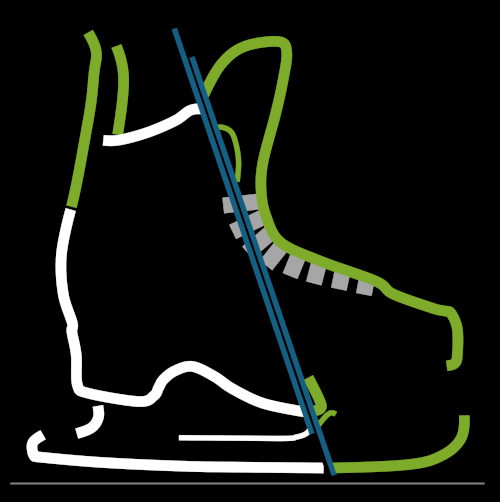
What it is, where it happens, how to recognise it, and why it matters
Ice skate breakdown is the gradual structural failure of a skate boot caused by repeated stress, moisture, impact, and material fatigue. Over time, the boot loses its ability to properly support the foot and ankle, even if it still looks usable at first glance.
Breakdown is normal with use, but continuing to skate in a broken-down boot can compromise performance, stability, and safety.
Skating in broken-down boots:
A skate that “still fits” is not necessarily safe or supportive.
You should seek professional assessment if:
Early assessment can sometimes extend skate life or prevent injury — but once structural support is gone, replacement is the safest option.
The ankle line is the flex point around the top of the boot where the ankle bends forward and sideways. The structures within the boot can start to weaken long before there is any sign of breakdown. An experienced Skate Technician will be able to assess this, if you're not sure.
What the user sees/feels:
Impact on stability & safety:
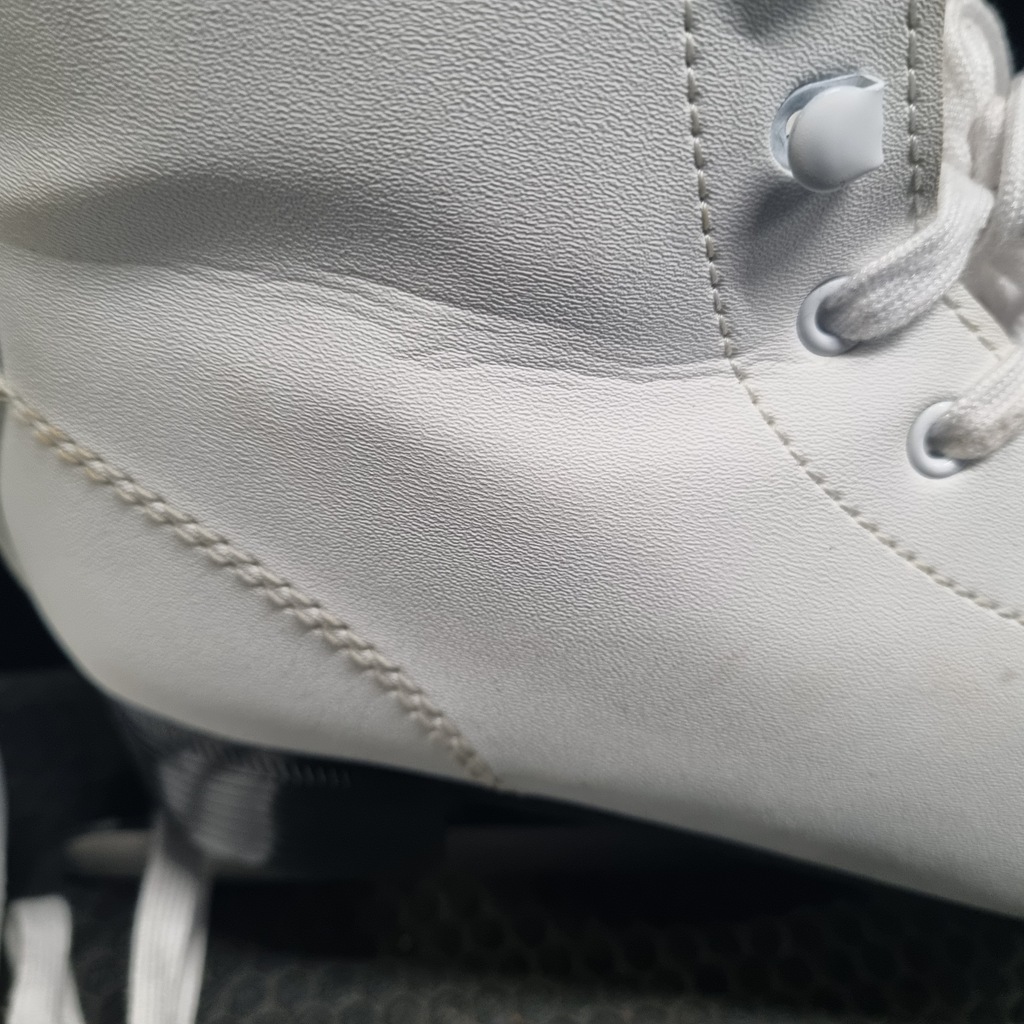
What it is: The quarter panels are the side walls of the boot that provide lateral stiffness. This is far less common, and would normally occur after the ankle line, as once the ankle line support is gone the quarter panel has to work twice as hard to support the skater.
What the user sees/feels:
Impact on stability & safety:
What it is: The heel counter locks the heel in place and keeps the foot aligned over the blade. The break down here normally occurs first in the padding within the boot, before there is any visible sign outside the boot.
What the user sees/feels:
Impact on stability & safety:
What it is: The tongue distributes lace pressure and protects the front of the ankle.
What the user sees/feels:
Impact on stability & safety:
What it is: The sole connects the boot to the blade and must remain rigid and secure. This can occur for a number of reasons, not limited to failure to repair old screw-holes during blade replacement/realignment and improperly mounted blades.
What the user sees/feels:
Impact on stability & safety:
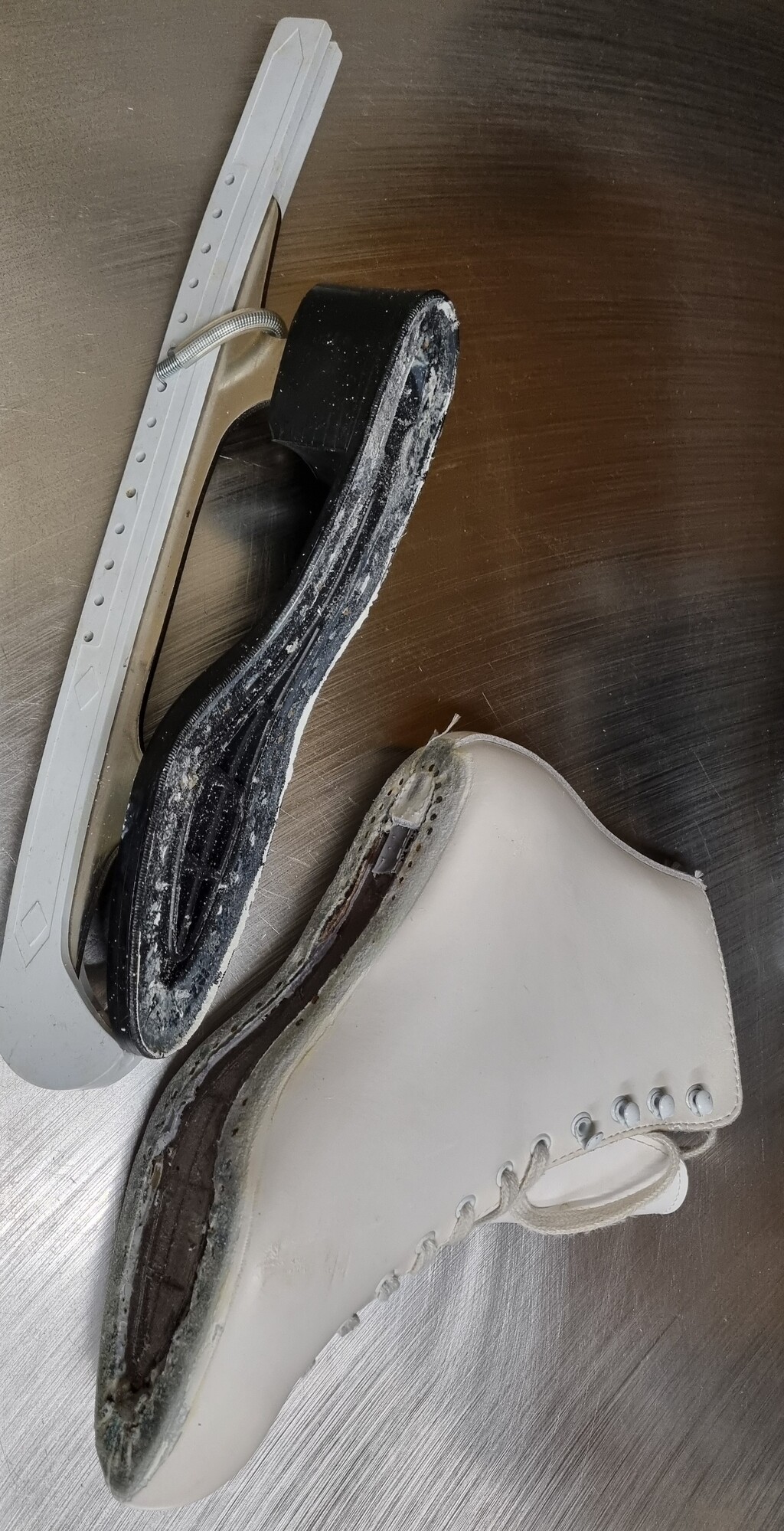
Nothing lasts forever, and ice skating is a punishing sport for both skater and equipment, but there are a few things that will speed up breakdown of ice skates.
Skates that are left wet, either from melted ice-water, or from sweat, will speed up the breakdown as it will cause the materials in the skate to soften. With softer materials, the next time you skate and subject those materials to stress will cause them to begin the breakdown process.
One of the biggest causes of sole and blade mounting breakdown is improper mounting. While it's possible for anyone with a drill and screwdriver to mount a blade, it's very easy to cause damage to the sole that then leads to breakdown.
Stiffness needs to be correct for:
While skaters are learning and improving it is common to have skates break down within a year of purchase, and over booting (wearing skates that are too stiff, intended for the level you intend to reach) comes with it's own problems. But if you're not progressing (are happy skating at the level you currently are), skates should last many years (with proper care).
Skate manufacturers provide a 'guide' for the level the skate is good for, but skaters are advised to speak to an experienced boot expert to find the perfect match for them.
Different manufacturers or boot lines are built with materials that vary in quality. Some brands will simply last longer than others. Speak to an experienced boot expert, and ask specifically about which boots are built to last - or expect to replace them sooner (which isn't necessarily a bad thing - it just depends on your expectations and commitment to skating!)
We have the experience of many thousands of pairs of boots to draw on when assessing any issues you may be having with your boots. Contact us to book an appointment.