Figure skating is a joyful, expressive, and athletic ice sport suitable for all ages and ability levels — from total beginners to those pursuing competition, performance, or social skating. In Cambridge you can build your skills through public skating, coached sessions, and organised clubs based at Cambridge Ice Arena.
This guide explains:
Figure skating is a sport where individuals, pairs, or teams perform on figure skates on ice, blending athletic moves like jumps, spins, footwork, and choreographed routines set to music. The sport is governed internationally by the International Skating Union and is a longstanding Olympic discipline.
Each discipline has its own focus and style:
Participation in these disciplines builds different skills — from personal athletic technique to teamwork and artistic expression.
If you’re new to ice, your first priority is confidence on skates — staying balanced, progressing forwards and backwards, and being able to stop safely. Cambridge Ice Arena offers public skating sessions and group lessons for all ages. Once you've begun your skating journey strongly consider attending one of the Cambridge Ice Arena's "Coffee Skate" sessions. These are instructor led group sessions, concentrating less on syllabus and passing levels, and more on simply demonstration and practice of skating techniques.
For many beginners, Learn to Skate classes or private coaching can shorten the learning curve and improve confidence before joining structured figure skating sessions.
The Cambridge Ice Skating Club is the main community club for figure skaters at the arena. It’s a non-profit, British Ice Skating–affiliated organisation that hosts training, events, and sessions across all major disciplines.
Membership & Joining:
Club membership is open to all figure skaters who train at Cambridge Ice Arena. You can join by contacting the club via email
Club Link: https://cambridgeiceskating.club/
Club YouTube: Cambridge Ice Skating Club videos and showcases — https://www.youtube.com/@cambridgeiceskatingclub
One of the biggest factors in how quickly and safely someone progresses in figure skating is having the right skates. While rental skates are fine for absolute first sessions, most skaters benefit from moving to proper figure skates earlier than they expect.
Rental skates are designed for durability, not learning. They often:
This can make basic skills like edges, turns, spins, and stopping unnecessarily difficult and frustrating.
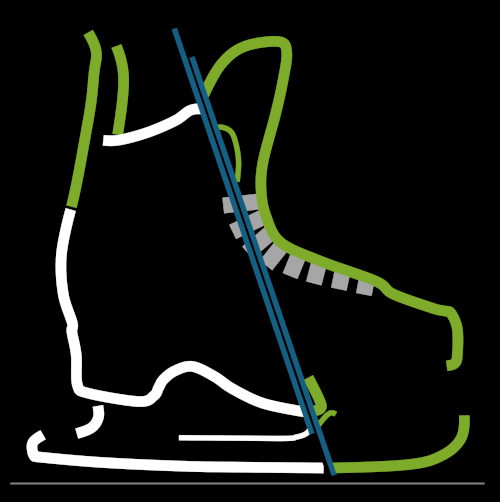
Figure skates are made in different levels of stiffness, designed to match the skater’s weight, strength, and skill level.
Too soft:
Too stiff:
Beginners and developing skaters usually need a supportive but flexible boot, while advanced skaters working on jumps need stiffer boots to handle impact forces. The right stiffness allows proper technique to develop naturally.
Figure skates should fit very differently from everyday shoes.
Properly fitted skates should:
Incorrect sizing — especially skates that are too big — is one of the most common causes of slow progress and foot pain in new skaters.
Both options can work well, depending on the skater:
Hiring skates
Buying skates
TheRink supports figure skaters at all levels and is based around Cambridge Ice Arena.
Skate sharpening and maintenance – essential for control and confidence
If you’re unsure what level of skate you need, TheRink can guide you before you buy or hire — helping you avoid costly mistakes and progress faster on the ice.